In the world of professional cleaning and maintenance, the tools and materials used play a pivotal role in ensuring optimal results. One such material that often goes unnoticed but is crucial for achieving a clean and flawless finish is lint-free tissue. This article explores why lint-free tissue is essential in various cleaning applications, detailing its benefits, applications, and best practices.
What is Lint-Free Tissue?
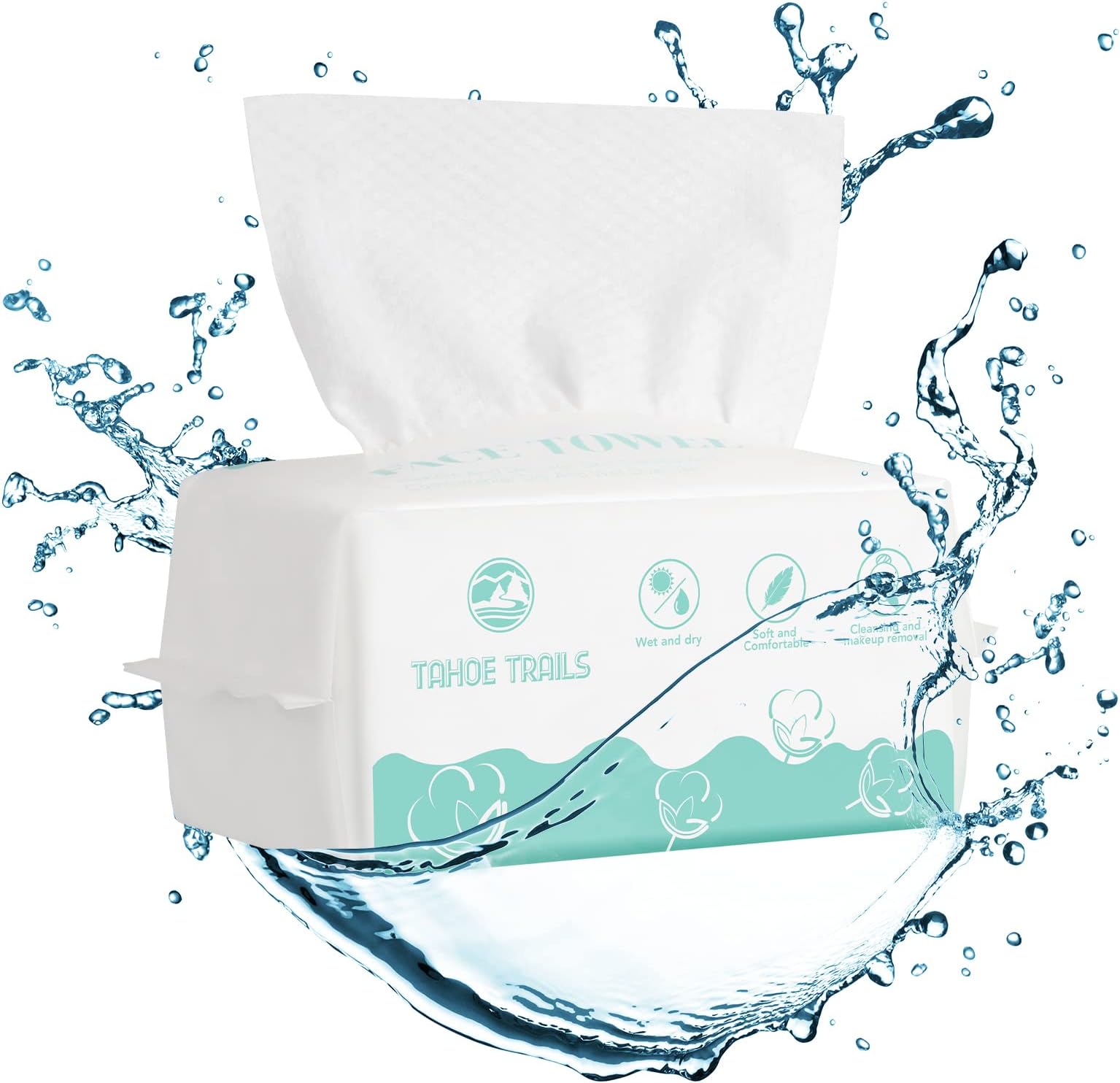
Lint-free tissue is a type of cleaning material that is specifically designed to leave no residue or lint behind during use. It is commonly made from synthetic fibers or specially processed natural fibers, which allows it to absorb liquids and remove dirt without shedding particles. This unique characteristic makes lint-free tissues ideal for a variety of cleaning tasks, particularly in environments where precision and cleanliness are paramount.
Benefits of Using Lint-Free Tissue

The advantages of using lint-free tissue are numerous, and they can significantly impact the quality of cleaning and maintenance tasks. Here are some of the key benefits:
- Residue-Free Cleaning: Lint-free tissue does not leave behind fibers or particles, ensuring surfaces remain clean and pristine.
- Absorbency: These tissues are designed to absorb liquids effectively, making them ideal for spills and wet cleaning.
- Durability: Lint-free tissues are often more durable than traditional paper towels, allowing for multiple uses without tearing.
- Compatibility: They are safe to use with a range of cleaning solutions, including solvents, disinfectants, and other chemicals.
- Cost-Effective: While the initial investment may be higher than conventional alternatives, their durability can lead to long-term savings.
Applications of Lint-Free Tissue

Lint-free tissues are employed across various industries and cleaning scenarios. Here are some of the most common applications:
1. Electronics Cleaning
In the electronics industry, lint-free tissues are essential for cleaning screens, circuit boards, and other delicate components. The absence of lint means that there is no risk of dust or debris interfering with electronic functions. For instance, many technicians use lint-free wipes when cleaning optical surfaces such as lenses and screens to maintain clarity and performance.
2. Medical and Laboratory Settings
In healthcare and laboratory environments, maintaining a sterile and clean environment is crucial. Lint-free tissues are used extensively for:
- Wiping down surfaces to prevent contamination.
- Cleaning laboratory equipment without introducing foreign particles.
- Handling sensitive materials that require a dust-free environment.
For example, hospitals often employ lint-free tissues when cleaning surgical instruments to ensure they remain free of contaminants.
3. Automotive and Aerospace Maintenance
In automotive and aerospace sectors, lint-free tissues are used to clean sensitive components, such as:
- Windshields and mirrors.
- Engine parts to prevent residue buildup.
- Interior surfaces to maintain a pristine appearance.
The precision required in these industries means that any lint or residue could lead to significant issues, making lint-free tissue an essential tool.
4. General Cleaning and Maintenance
For everyday cleaning tasks, lint-free tissue can be an excellent alternative to traditional cleaning products. Their versatility allows them to be used for:
- Dusting surfaces without leaving particles behind.
- Wiping down countertops and tables in kitchens and bathrooms.
- Cleaning glass and mirrors for a streak-free finish.
Case Studies Highlighting the Importance of Lint-Free Tissue

Several case studies illustrate the significance of lint-free tissue in maintaining cleanliness and efficiency in various settings.
Case Study 1: Electronics Manufacturer
An electronics manufacturer faced issues with product defects due to lint contamination during the assembly process. After switching to lint-free tissue for cleaning components, the defect rate decreased by 25%, significantly improving product quality and customer satisfaction. This change also reduced rework costs and increased overall efficiency.
Case Study 2: Hospital Sterilization Protocols

A hospital implemented stricter sterilization protocols, incorporating lint-free tissues for cleaning surgical instruments and surfaces. This shift not only enhanced infection control measures but also led to a 15% decrease in surgical site infections over a six-month period, showcasing the critical role of lint-free tissue in healthcare.
Best Practices for Using Lint-Free Tissue
To maximize the benefits of lint-free tissue, consider the following best practices:
- Choose the Right Product: Select lint-free tissues that are appropriate for the specific cleaning task, taking into account the material and surface being cleaned.
- Avoid Cross-Contamination: Use different tissues for different tasks to prevent cross-contamination, especially in medical and laboratory settings.
- Dispose Properly: After use, dispose of lint-free tissues according to local regulations, particularly if they have been used with hazardous materials.
- Store Correctly: Keep lint-free tissues in a dry and clean environment to maintain their integrity and effectiveness.
Lint-free tissue is an indispensable tool in the realm of professional cleaning and maintenance. Its unique properties—such as absorbency, durability, and residue-free cleaning—make it essential across various industries, from electronics and healthcare to automotive and general cleaning. By understanding its benefits, applications, and best practices, professionals can ensure high standards of cleanliness and efficiency in their work. As industries continue to prioritize quality and precision, the role of lint-free tissue will only grow in importance, reinforcing its status as a critical element in the cleaning toolkit.