Fuel oil furnaces are a popular choice for heating homes, particularly in colder climates where robust heating systems are necessary. Essential to the operation of these furnaces are fuel oil filters, which play a crucial role in ensuring efficiency and longevity. This article serves as a comprehensive guide to understanding fuel oil furnace filters, exploring their types, functions, maintenance, and importance in overall system performance.
What is a Fuel Oil Furnace Filter?
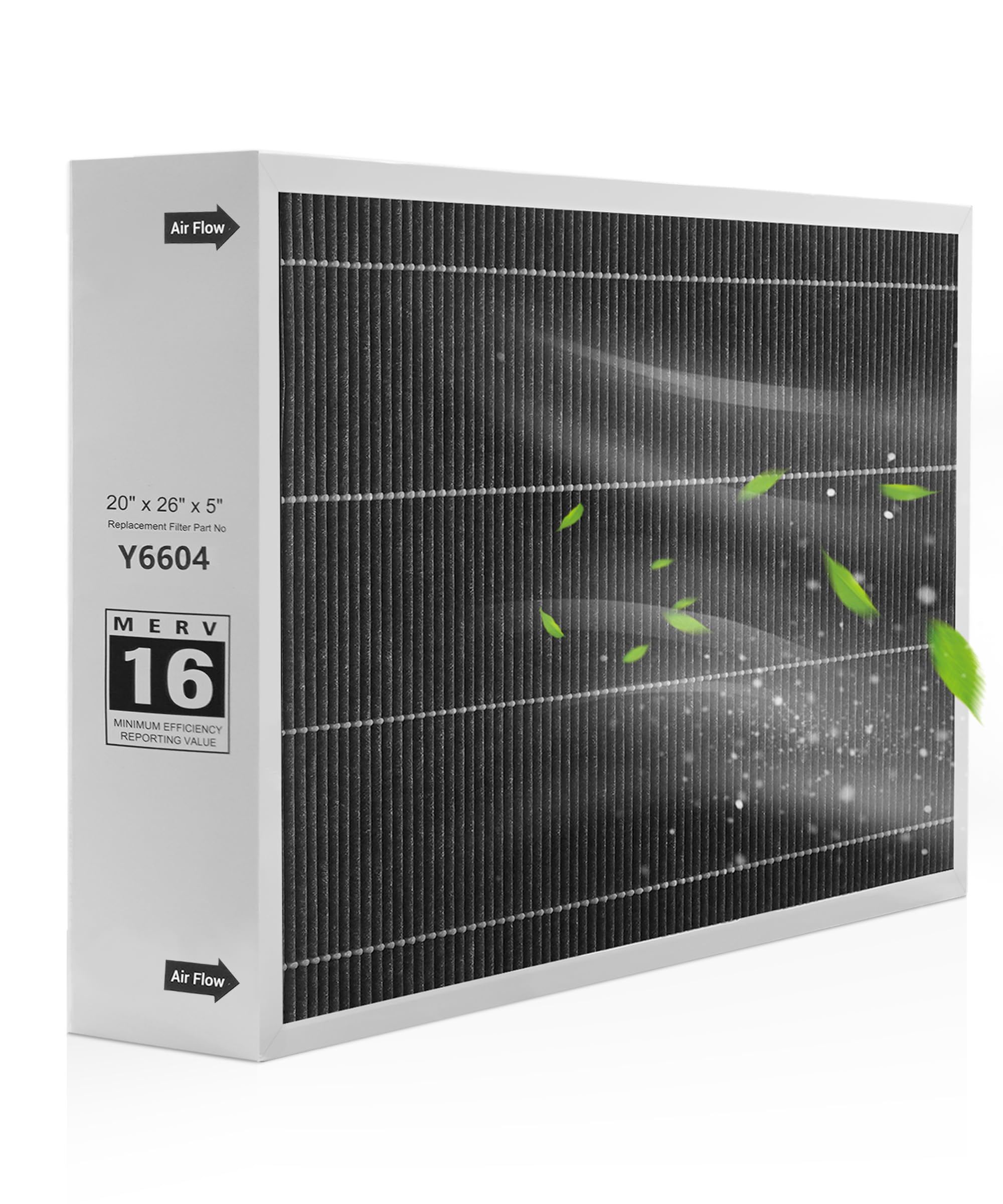
A fuel oil furnace filter is a device designed to remove impurities from the oil before it enters the furnace for combustion. Contaminants such as dirt, dust, and water can seriously affect the efficiency and effectiveness of the heating system. By filtering out these impurities, the filters help maintain optimal performance and prevent costly repairs.
Types of Fuel Oil Filters

Fuel oil filters come in various types, each catering to specific needs and preferences. Understanding these types is essential for homeowners and maintenance professionals alike:
- Single-stage filters: These are basic filters that remove larger particles from the fuel oil. They are typically used in residential systems.
- Two-stage filters: These filters provide a more thorough cleaning, often combining a coarse filter with a fine one. They are effective in removing both large and small contaminants.
- Water separators: As water can be a significant contaminant in fuel oil, these filters are designed specifically to remove water from the oil. They are often used in conjunction with other filters.
- Magnetic filters: These filters use magnets to attract and trap metallic particles that may be present in the fuel oil.
Why are Fuel Oil Filters Important?
Fuel oil filters are critical components of fuel oil heating systems for several reasons:
- Efficiency: Clean fuel oil burns more efficiently, resulting in better heat production and lower energy costs.
- Longevity: By preventing contaminants from entering the furnace, filters help extend the lifespan of the heating system.
- Safety: Contaminated fuel can lead to malfunctions and even hazardous situations, such as leaks or fires.
- Environmental impact: Efficient combustion reduces emissions, contributing to a cleaner environment.
How to Choose the Right Fuel Oil Filter
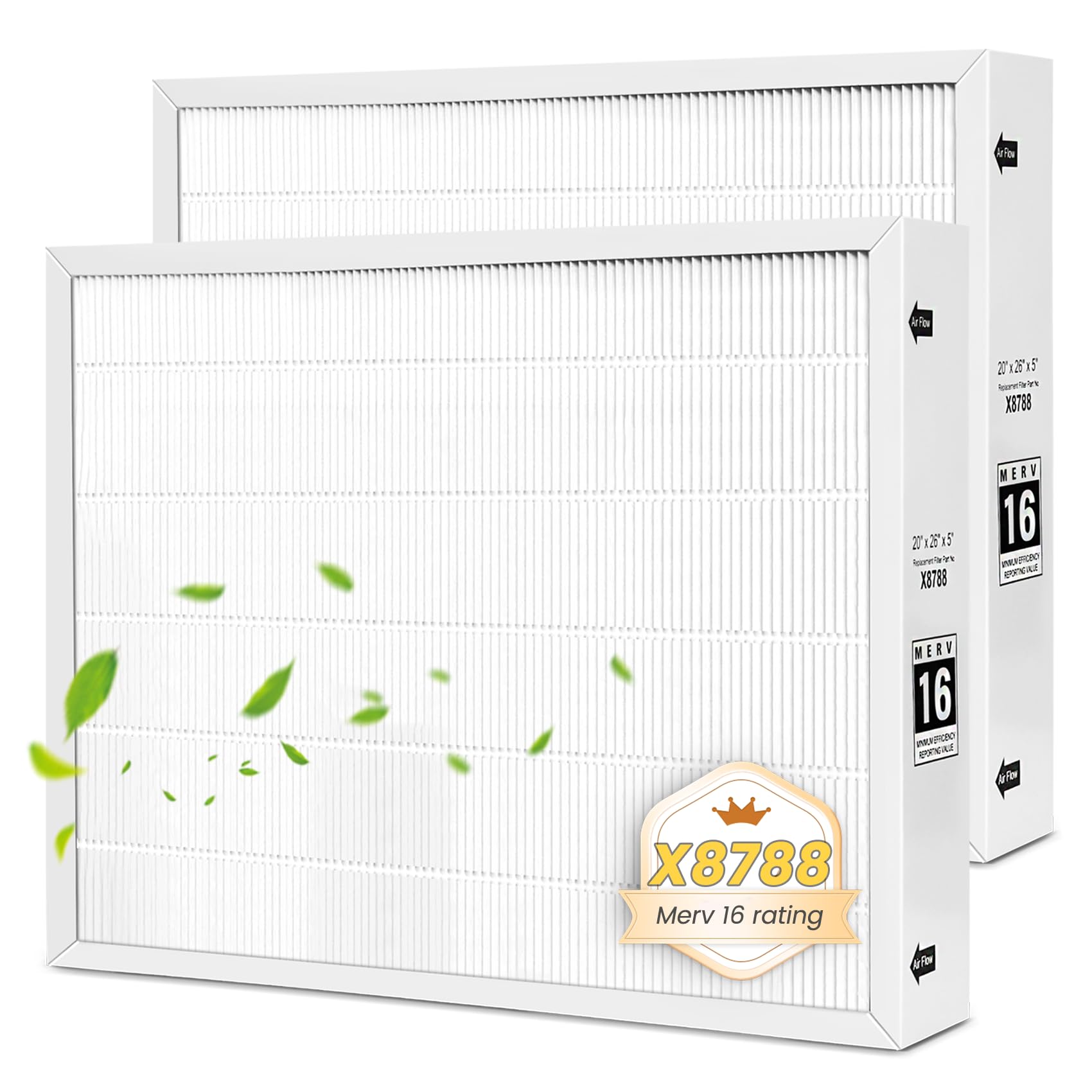
Selecting the appropriate fuel oil filter for your furnace involves several considerations:
- Type of Furnace: Different furnaces may require specific types of filters. Consult the manufacturer’s guidelines.
- Contaminants in Your Area: If you live in an area with high levels of dirt and debris, a more robust filter may be necessary.
- Flow Rate: Ensure the filter can handle the flow rate required by the furnace for optimal performance.
- Maintenance Requirements: Some filters require more frequent changes than others. Consider your ability to maintain the system.
Maintaining Fuel Oil Filters

Proper maintenance of fuel oil filters is crucial for ensuring their efficiency and the overall performance of the furnace. Here are some key maintenance tips:
- Regular Inspections: Check filters regularly for signs of clogging or damage.
- Change Filters Periodically: Follow the manufacturer’s recommendations for filter changes, typically once a year or as needed.
- Keep a Clean Environment: Minimize dirt and debris around the furnace area to reduce the amount of contaminants entering the system.
- Professional Servicing: Consider hiring a professional to inspect and maintain your heating system, including the filters.
Case Studies: The Impact of Fuel Oil Filter Maintenance

Several case studies highlight the importance of maintaining fuel oil filters and the consequences of neglect:
Case Study 1: Residential Home in New England
A family in New England experienced frequent heating issues during winter months. Upon inspection, it was discovered that the fuel oil filter had not been changed in over two years. After replacing it, the furnace operated more efficiently, reducing heating costs by 20%.
Case Study 2: Commercial Building in the Midwest
A commercial building suffered from frequent breakdowns, causing disruptions to business operations. A thorough assessment revealed that clogged filters were the primary issue. Following a scheduled maintenance program that included regular filter changes, the building experienced a 30% reduction in repair costs over the next year.
Statistics on Fuel Oil Furnace Efficiency
Understanding the effects of fuel oil filters on system efficiency can be supported by key statistics:
- According to the U.S. Department of Energy, a properly maintained furnace can operate at up to 95% efficiency.
- The National Oilheat Research Alliance found that homes with clean filters can save up to 10% on heating costs during the winter months.
- Regular filter maintenance can extend the life of a furnace by up to 30%, according to industry experts.
Fuel oil furnace filters are a vital component of heating systems that should not be overlooked. They help ensure efficiency, safety, and longevity while contributing to environmental sustainability. By understanding the types of filters, their importance, and how to maintain them, homeowners can optimize their heating systems for better performance and reduced costs.
In summary, selecting the right fuel oil filter, adhering to a maintenance schedule, and understanding the implications of filter cleanliness can lead to significant benefits. Whether you are a homeowner or a maintenance professional, recognizing the role of fuel oil filters in your heating system is essential for achieving optimal performance and comfort during the cold winter months.