In today’s digital age, the integration of technology in education has transformed the way students learn and interact with information. Among the various tools available, primary writing tablets have emerged as a valuable resource for young learners. These devices not only engage children but also play a crucial role in enhancing their learning experiences. In this article, we will explore the top five benefits of using a primary writing tablet for young learners.
1. Enhanced Engagement and Motivation

One of the most significant benefits of using a writing tablet is the increased engagement it fosters among young learners. Traditional writing methods can often be tedious, leading to a lack of interest. However, writing tablets provide interactive features that capture children’s attention. For instance, many tablets come equipped with colorful graphics, sound effects, and animation that make learning more enjoyable.
- Interactive Learning: Writing tablets often include games and quizzes that make learning fun.
- Instant Feedback: Many tablets offer immediate feedback on writing exercises, allowing children to see their progress in real time.
- Customizable Interfaces: Kids can personalize the tablet to suit their interests, increasing their investment in learning.
According to a study conducted by the National Education Association, children using educational technology were 58% more likely to express excitement about learning compared to those using traditional methods. This excitement can lead to a more profound interest in subjects like reading and writing, setting the stage for a lifelong love of learning.
2. Development of Fine Motor Skills

Fine motor skills are essential for children’s overall development, particularly in the context of writing. Using a primary writing tablet can significantly enhance these skills. Most writing tablets require children to use a stylus or their fingers to write, draw, and navigate, which helps develop hand-eye coordination and dexterity.
- Hand-Eye Coordination: Engaging with a tablet requires children to coordinate their movements with visual feedback.
- Grip Strength: Using a stylus helps children develop a proper grip, which is crucial for writing with traditional utensils.
- Control and Precision: As children navigate the tablet’s interface, they improve their ability to control their movements, leading to better writing skills.
A study published in the Journal of Occupational Therapy found that children who used digital writing tools showed a 30% improvement in fine motor skills compared to those who only practiced with paper and pencil. By providing a fun and interactive way to develop these skills, writing tablets can bridge the gap between traditional and digital learning methods.
3. Encouragement of Creativity and Expression

Writing tablets offer young learners a unique platform to express their creativity. Many devices come equipped with applications that allow children to draw, paint, and create multimedia projects. This creative freedom can be particularly beneficial for children who struggle with traditional writing formats.
- Artistic Expression: Children can experiment with colors, shapes, and designs, allowing for a more personalized approach to learning.
- Storytelling: Tablets often include features for creating stories through illustrations and text, encouraging imaginative thinking.
- Multi-Modal Learning: By integrating audio, video, and text, children can create projects that reflect their diverse learning styles.
A case study conducted at an elementary school in California found that students who used writing tablets for creative projects showed a 45% increase in their ability to express ideas and emotions through writing. This creative outlet not only enhances their writing skills but also boosts their confidence and self-esteem.
4. Personalized Learning Experiences

Every child learns at their own pace, and writing tablets can cater to these individual learning styles. Many devices come with customizable learning applications that adapt to each child’s level of proficiency, offering tailored lessons that align with their unique needs.
- Adaptive Learning Technologies: Tablets can adjust the difficulty of tasks based on the child’s performance, ensuring they are neither bored nor overwhelmed.
- Variety of Learning Modes: Children can choose from various modes—such as guided practice, independent work, or collaborative projects—based on their preferences.
- Progress Tracking: Many tablets offer analytics features that allow parents and teachers to monitor progress and adjust learning strategies accordingly.
According to research by the Bill & Melinda Gates Foundation, personalized learning can lead to a 30% increase in student performance. By harnessing the power of technology, writing tablets can create a more effective and individualized learning environment.
5. Access to a Wealth of Resources
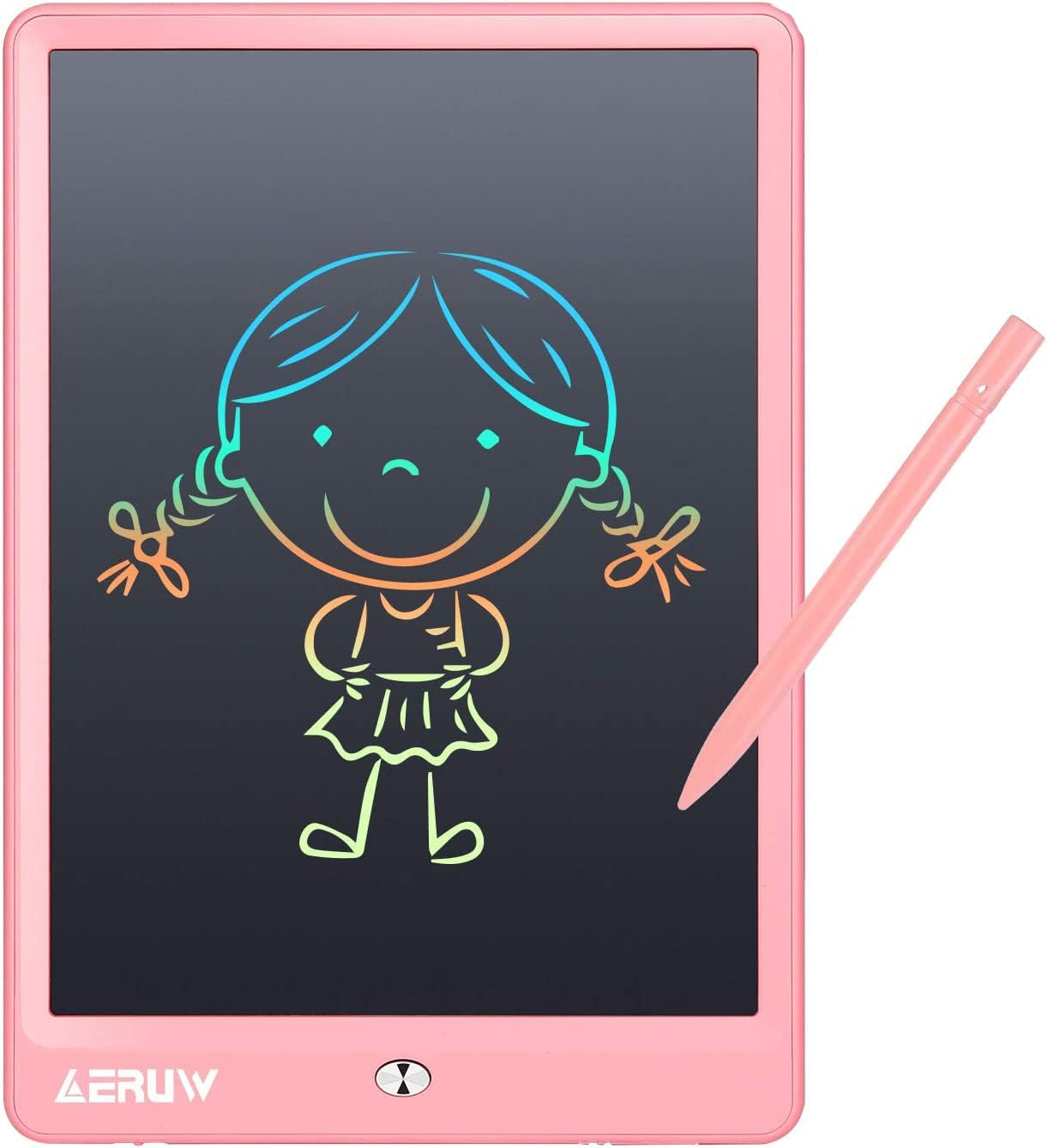
Writing tablets provide young learners with access to a vast array of educational resources and tools. With the internet at their fingertips, children can easily research topics, access e-books, and utilize educational apps that can supplement their learning.
- Digital Libraries: Many tablets allow access to online libraries, providing a plethora of reading materials suited for various age groups.
- Educational Apps: There are numerous apps dedicated to improving writing skills, vocabulary, and grammar that can be easily downloaded.
- Online Collaboration: Tablets facilitate collaboration with peers and teachers, allowing for shared projects and feedback.
A 2022 survey conducted by the National Center for Education Statistics found that 78% of teachers believed that access to digital resources significantly enhanced students’ learning opportunities. Writing tablets serve as a gateway to a world of knowledge, empowering young learners to explore, discover, and engage with educational content beyond the confines of their classrooms.
As technology continues to evolve, so too does the landscape of education. Primary writing tablets offer numerous benefits that go beyond simple convenience. From enhancing engagement and motivation to fostering creativity and personalized learning experiences, these devices are proving to be invaluable tools for young learners. The development of fine motor skills, access to a wealth of resources, and the ability to express oneself creatively are just a few of the advantages that highlight the positive impact of writing tablets in early education.
Investing in a primary writing tablet can set the foundation for a child’s educational journey, encouraging a love of learning and an eagerness to explore the world around them. As we embrace these technological advancements, it is crucial to recognize their potential to revolutionize the way children learn and grow.