Effective communication is a cornerstone of personal and professional success. It enables individuals to express their thoughts clearly, understand others, and foster meaningful relationships. One valuable resource that can help in mastering the art of communication is “The Little Seagull Handbook.” This compact guide offers insights into various aspects of writing and communication, making it a must-have for students, professionals, and anyone looking to enhance their communication skills.
Understanding the Importance of Communication
Communication is not just about exchanging words; it’s about conveying ideas and emotions effectively. According to a study by the Harvard Business Review, poor communication can lead to misunderstandings, decreased productivity, and even financial losses. Here are some reasons why mastering effective communication is essential:
- Improved Relationships: Good communication fosters trust and understanding in relationships, whether personal or professional.
- Increased Efficiency: Clear communication reduces the chances of errors and misinterpretations, leading to more efficient workflows.
- Enhanced Conflict Resolution: Effective communicators can navigate disagreements more smoothly, finding solutions rather than escalating tensions.
- Career Advancement: Strong communication skills are often linked to leadership potential and career growth opportunities.
The Little Seagull Handbook: An Overview

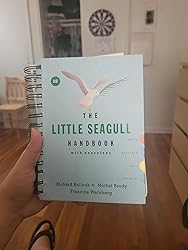
“The Little Seagull Handbook,” authored by Richard Bullock, Michal Brody, and Francine Weinberg, is a concise yet comprehensive guide designed to assist readers in honing their writing and communication skills. It covers a wide range of topics, including grammar, style, research, and citation, making it an invaluable tool for students and professionals alike.
Key Features of The Little Seagull Handbook
This handbook stands out due to its user-friendly approach and practical advice. Here are some of its key features:
- Concise and Accessible: The handbook presents information in a clear and straightforward manner, making it easy for readers to understand and apply.
- Focus on Real-World Application: It emphasizes practical strategies for effective communication, ensuring that readers can implement what they learn.
- Visual Aids: The use of charts, diagrams, and examples enhances comprehension and retention of information.
- Comprehensive Coverage: It includes sections on grammar, punctuation, style, and research methods, providing a well-rounded resource for effective writing.
Effective Communication Strategies

Drawing from “The Little Seagull Handbook,” here are some effective communication strategies that can help individuals convey their messages more clearly and persuasively:
1. Know Your Audience
Understanding your audience is crucial in tailoring your message to meet their needs and expectations. Here’s how you can achieve it:
- Identify Demographics: Consider the age, education level, and background of your audience.
- Understand Interests: Acknowledge what your audience cares about and how your message aligns with their interests.
- Adapt Language and Tone: Use terminology and a tone that resonate with your audience. For example, a formal tone may be appropriate for a business presentation, while a casual tone may be better suited for a blog post.
2. Organize Your Thoughts

Effective communication requires clarity and structure. Here are steps to organize your thoughts:
- Outline Your Ideas: Before writing or speaking, create an outline to arrange your ideas logically.
- Use Clear Transitions: Employ transitions to guide your audience through your message smoothly.
- Be Concise: Avoid unnecessary jargon and filler words. Aim for clarity and brevity.
3. Utilize Active Listening
Communication is a two-way street, and active listening plays a vital role. Here are some techniques to enhance your listening skills:
- Give Full Attention: Eliminate distractions and focus entirely on the speaker.
- Provide Feedback: Summarize what the speaker has said to confirm your understanding.
- Ask Questions: Encourage further discussion by asking clarifying questions.
4. Master Nonverbal Communication

Nonverbal cues can significantly impact how your message is received. Consider the following:
- Body Language: Maintain an open posture and use gestures to emphasize your points.
- Eye Contact: Establishing eye contact conveys confidence and engagement.
- Facial Expressions: Ensure your facial expressions align with your message to reinforce your words.
Case Studies: Successful Communication in Action
To illustrate the importance of effective communication, let’s examine two case studies where communication strategies played a pivotal role in achieving success.
Case Study 1: Apple Inc.
Apple is renowned for its effective communication strategies, which have contributed to its status as a market leader. The company’s marketing campaigns are characterized by:
- Clear Messaging: Apple’s advertisements convey a straightforward message about the uniqueness and quality of its products.
- Emotional Appeal: Apple often taps into the emotions of its audience, creating a strong connection with consumers.
- Consistent Branding: The company maintains a consistent tone and style across all platforms, reinforcing brand identity.
Case Study 2: TED Talks

TED Talks are a perfect example of effective communication. Speakers are trained to:
- Engage the Audience: By telling personal stories and using relatable examples, speakers capture the audience’s attention.
- Use Visuals: Presentations often include impactful visuals that reinforce the spoken message.
- Encourage Interaction: Many TED Talks invite audience participation, fostering a collaborative environment.
Statistics on Communication Effectiveness
Research shows that effective communication has a measurable impact on organizational success:
- A study by the Project Management Institute found that ineffective communication contributes to project failure one-third of the time.
- According to a report by McKinsey, improved communication and collaboration can increase productivity by 20-25% in organizations.
- Data from the International Association of Business Communicators reveals that organizations with effective communication practices are 50% more likely to have lower employee turnover rates.
Effective communication is a skill that can be developed and refined over time. “The Little Seagull Handbook” serves as a valuable resource for anyone looking to enhance their communication abilities. By understanding your audience, organizing your thoughts, practicing active listening, and mastering nonverbal cues, you can unlock the secrets to effective communication. The case studies and statistics presented in this article further highlight the importance of communication in achieving personal and professional success. As you continue to hone your communication skills, remember that the ability to convey ideas clearly and persuasively is an invaluable asset in today’s interconnected world.