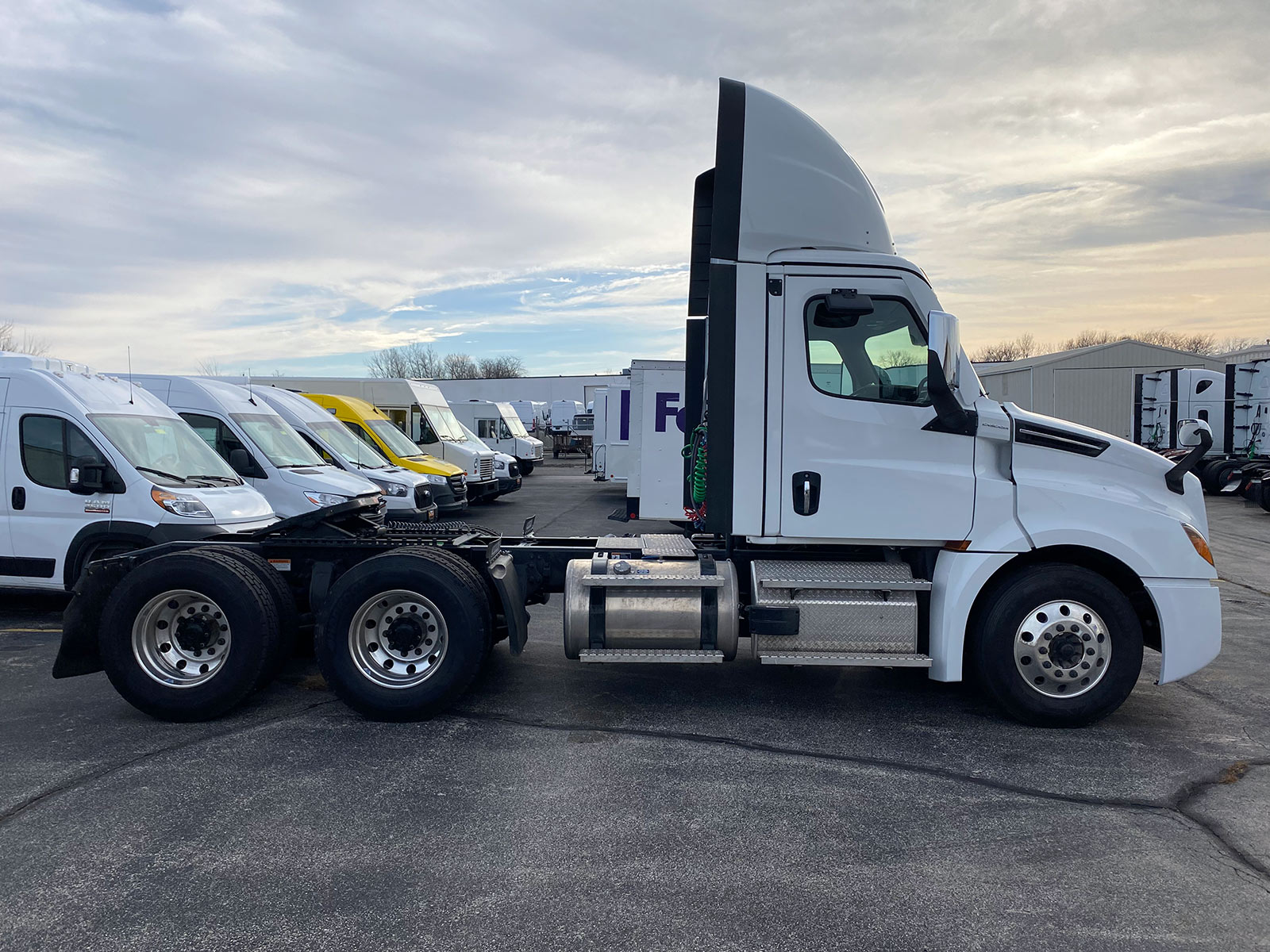
The Freightliner Cascadia is a popular choice among long-haul truckers due to its durability, fuel efficiency, and advanced technology. However, like any vehicle, it requires regular maintenance to ensure optimal performance. One crucial component that often goes unnoticed until it fails is the air conditioning (AC) compressor. This article outlines the top signs that your Freightliner Cascadia’s AC compressor may need replacement, helping you identify issues before they lead to costly repairs or uncomfortable driving conditions.
Understanding the Role of the AC Compressor
Before diving into the signs of a failing AC compressor, it’s essential to understand its function. The AC compressor is a critical part of the vehicle’s air conditioning system. It circulates refrigerant through the system, allowing for the cooling of the air inside the cabin. When the compressor malfunctions, it can lead to inadequate cooling and, eventually, total AC failure.
Common Signs of AC Compressor Failure
Recognizing the symptoms of a failing AC compressor can save you time, money, and discomfort. Here are the top signs to watch for:
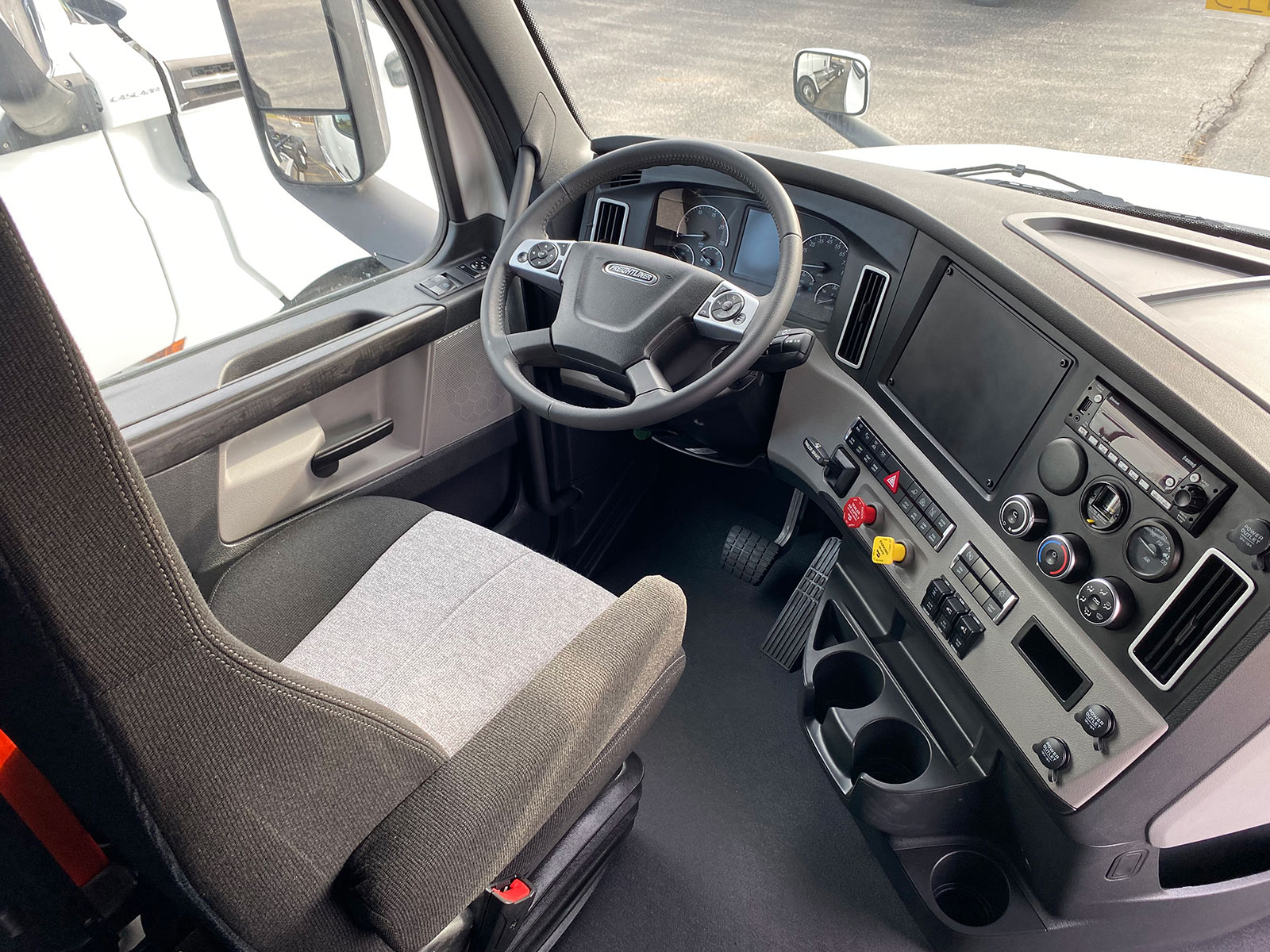
- Weak or No Cold Air: If the air blowing from your AC vents is warm or barely cool, it’s a primary indicator that the compressor may be failing. This could also suggest low refrigerant levels or other issues, but the compressor is often the culprit.
- Unusual Noises: A functioning AC compressor should operate quietly. If you hear loud noises such as grinding, squealing, or clattering when the AC is on, this may indicate internal damage or wear in the compressor.
- Increased Fuel Consumption: A failing compressor can place additional strain on the engine, leading to increased fuel consumption. If you notice a sudden drop in fuel efficiency, it might be linked to the AC system.
- Visible Leaks: Check for any signs of refrigerant leaks around the compressor. If you notice oily spots or puddles under your truck, this could indicate a refrigerant leak, which often points to a malfunctioning compressor.
- Frequent Cycling: If the AC system frequently turns on and off, it could mean the compressor is struggling to maintain pressure due to internal issues. This excessive cycling can lead to more significant problems over time.
- Burning Smell: A burning odor while the AC is running may indicate that the compressor is overheating or that there is an issue with the electrical components. This is a serious sign that should not be ignored.
Case Studies: Real-World Examples of Compressor Failures
Understanding the implications of a failing AC compressor through real-world examples can provide valuable insights. Here are a couple of case studies from Freightliner Cascadia drivers:
Case Study 1: The Long-Haul Trucker

John, a long-haul truck driver, noticed that his AC was not as cold as it used to be. Initially, he attributed it to the hot weather, but after a few weeks, the air became almost uncomfortably warm. He brought his truck to a mechanic, who found that the AC compressor was failing. The mechanic explained that internal wear had led to a loss of refrigerant pressure, which significantly affected the cooling efficiency. After replacing the compressor, John immediately noticed a difference in both cabin comfort and fuel efficiency.
Case Study 2: The Fleet Manager

Maria managed a fleet of Freightliner Cascadias for her logistics company. One of her drivers reported strange noises from the AC system. After an inspection, they discovered that the compressor had a worn clutch, leading to excessive wear and tear. Instead of waiting for the compressor to fail completely, Maria opted for a preemptive replacement, which saved the company from potential downtime and costly repairs. This proactive approach ensured that all vehicles in her fleet remained operational and comfortable during the peak summer months.
Statistics on AC System Failures
Statistics related to AC system failures can provide context for the importance of addressing compressor issues promptly. According to industry research:
- Approximately 10-15% of truck AC systems experience compressor failure annually.
- Failure to address early signs of compressor issues can lead to repair costs that are 2-3 times higher than the cost of a compressor replacement.
- Trucks with well-maintained AC systems can see a fuel efficiency improvement of up to 10% compared to those with faulty systems.
Preventative Maintenance Tips

To avoid the hassle and expense associated with a failing AC compressor, regular maintenance is essential. Here are some preventative tips:
- Regular Inspections: Have your AC system inspected during routine maintenance. This can help identify potential issues before they escalate.
- Refrigerant Checks: Ensure that refrigerant levels are checked and refilled as necessary. Low levels can lead to compressor strain and failure.
- Listen for Noises: Pay attention to any unusual noises when the AC is running. Early detection can lead to timely repairs.
- Clean the Condenser: Keep the condenser clean and free from debris. A dirty condenser can reduce system efficiency and strain the compressor.
Maintaining the air conditioning system in your Freightliner Cascadia is crucial for driver comfort and vehicle performance. Recognizing the signs of a failing AC compressor—such as weak air flow, unusual noises, increased fuel consumption, and visible leaks—can save you from more significant issues down the road. Through case studies and statistical evidence, we see the importance of addressing these signs promptly to avoid costly repairs and ensure a comfortable working environment. Regular inspections and proactive maintenance can significantly extend the life of your AC compressor, ensuring that your truck remains efficient and comfortable, no matter the weather conditions. By staying vigilant and taking appropriate action, you can keep your Freightliner Cascadia running smoothly, enhancing your driving experience and productivity on the road.