In the world of retail, presentation is everything. Whether you’re displaying garments in a boutique, organizing clothing in a warehouse, or simply storing clothes at home, the right hanger can make all the difference. This article delves into the best types of bulk hangers for different fabrics, providing insights and recommendations to help maximize your presentation.
The Importance of Choosing the Right Hanger
Choosing the right hanger is crucial for several reasons:
- Fabric Protection: Different fabrics require different support to maintain their shape and prevent damage.
- Visual Appeal: Hangers contribute significantly to the aesthetic presentation of garments.
- Space Efficiency: The right hangers can optimize space in a retail setting or closet.
- Durability: Quality hangers can withstand the weight of heavier garments without bending or breaking.
Understanding the characteristics of various fabrics will help you select the most suitable hangers for your needs.
Types of Fabrics and Corresponding Hanger Recommendations
Cotton and Cotton Blends
Cotton is one of the most commonly used fabrics due to its comfort and versatility. However, it can easily stretch or lose shape if not hung properly.
- Wooden Hangers: These provide sturdy support and can hold the weight of heavier cotton items like jackets and denim. They also add a touch of elegance to the display.
- Clip Hangers: Ideal for cotton skirts or pants, clip hangers allow for easy hanging without distorting the fabric.
Silk and Satin
Silk and satin are delicate fabrics that require gentle handling. Choosing the right hanger is essential to avoid creasing and snagging.
- Padded Hangers: These are perfect for silk and satin garments as they prevent slipping and minimize creases.
- Velvet Hangers: The soft surface of velvet hangers prevents slipping and is gentle on delicate fabrics.
Wool and Knit Fabrics
Wool and knit fabrics can be heavy and bulky, requiring hangers that offer solid support without distorting the shape.
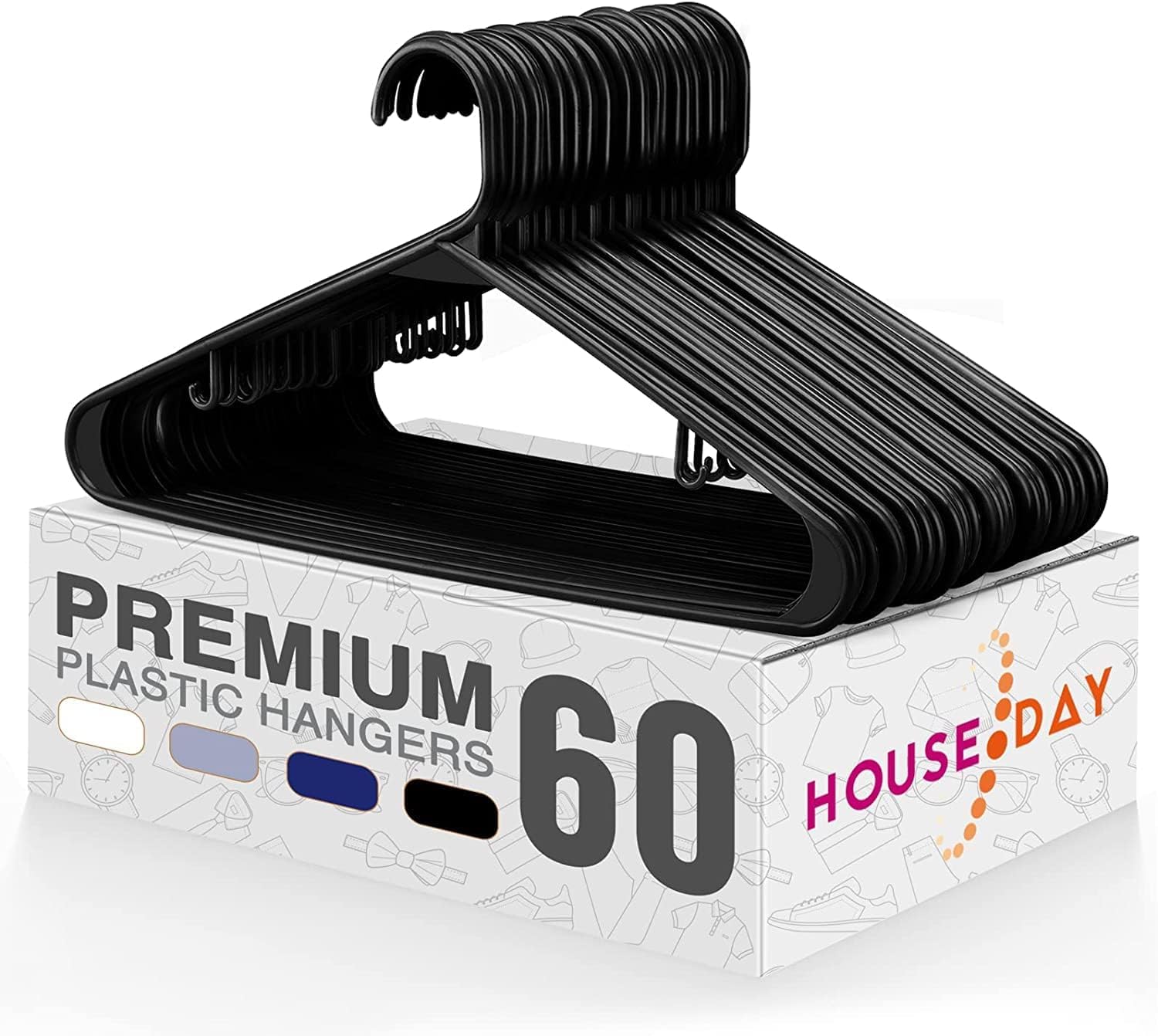
- Heavy-Duty Plastic Hangers: These are lightweight yet sturdy, making them an excellent choice for wool sweaters and cardigans.
- Wooden Hangers with Notches: The notches help keep straps in place for knit tops and dresses, ensuring they don’t slip off.
Linen

Linen is known for its breathability and crisp texture. However, it can easily wrinkle if not hung properly.
- Wide-Shouldered Hangers: These provide adequate support to maintain the shape of linen garments, preventing stretching.
- Clip Hangers: Like cotton, clip hangers work well for linen skirts and pants, allowing for minimal distortion.
Synthetic Fabrics
Synthetic fabrics like polyester, nylon, and others often have different properties compared to natural fibers, making them versatile but sometimes tricky to hang.
- Standard Plastic Hangers: These are lightweight and generally sufficient for synthetic garments.
- Multi-Functional Hangers: Some hangers come with adjustable clips or attachments, making them adaptable for various synthetic items.
Case Studies: Real-World Applications of Hanger Selection

To further illustrate the importance of selecting the right hanger, consider the following case studies:
Case Study 1: A Boutique’s Transformation

A small boutique specializing in women’s fashion was struggling with garment presentation. After analyzing their display setup, they switched to wooden hangers for heavier dresses and padded hangers for delicate items. The result was a 30% increase in sales within three months, as customers were more drawn to the improved presentation.
Case Study 2: The Warehouse Efficiency

A clothing warehouse faced issues with space and organization. By implementing standard plastic hangers for synthetic garments and heavy-duty hangers for wool items, they optimized their storage system and increased efficiency by 25%. Proper hanger selection allowed them to maximize space without compromising the integrity of the garments.
Statistics on Hanger Impact
Research has shown that the right hanger can significantly impact retail success:
- 75% of shoppers say they are more likely to buy a garment if it is displayed neatly and attractively.
- 60% of retailers report an increase in sales when they use appropriate hangers for their products.
- Brands using padded or velvet hangers for delicate garments see a 40% decrease in returns due to damage or dissatisfaction.
Tips for Selecting the Right Hanger

When choosing hangers, consider the following tips:
- Assess Fabric Weight: Heavy fabrics require sturdier hangers.
- Consider Shape and Style: Hangers should match the aesthetic of your brand or personal taste.
- Invest in Quality: Higher-quality hangers may cost more upfront but can save money in the long run by reducing damage to garments.
- Evaluate Space: Ensure that the hangers you choose fit well within your storage or display space.
Choosing the right hanger is an essential aspect of garment presentation that can significantly influence both aesthetic appeal and sales performance. By understanding the specific requirements of different fabrics, retailers and individuals can select hangers that not only protect their garments but also enhance their overall display. From wooden hangers for heavy cotton to padded hangers for delicate silk, the right choice can lead to improved organization, reduced damage, and ultimately, increased customer satisfaction.
In summary, investing time and resources into selecting the appropriate bulk hangers for various fabrics is a critical step toward maximizing presentation. The case studies and statistics shared underline the tangible benefits that come with making informed decisions in this area. By following the tips provided, anyone can enhance their clothing display, whether in a retail setting or at home.