The 1970 Canadian penny holds a unique place in the annals of Canada’s numismatic history. As a small yet significant piece of currency, it encapsulates the evolution of Canadian coinage, cultural milestones, and the economic landscape of the time. This article explores the design, historical context, and impact of the 1970 Canadian penny, shedding light on its significance to collectors and historians alike.
Historical Context of the Canadian Penny
The Canadian penny was introduced in 1858, serving as a vital component of Canada’s currency system. Initially, the penny was minted in England and featured a variety of designs over the years, reflecting changes in society and governance. By the time the 1970 penny was produced, Canada had experienced significant transformation, including confederation, world wars, and economic shifts that influenced its coinage.
The 1970 penny was particularly notable as it was part of the last series of pennies to feature the iconic design by the renowned Canadian artist, George Kruger Gray. This design, which depicted a young beaver, symbolized Canada’s natural resources and heritage, making it a fitting representation of the nation’s identity.
The Design of the 1970 Canadian Penny
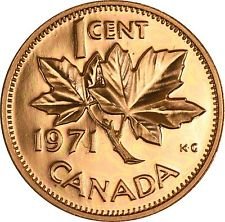
The 1970 Canadian penny features the following key elements:
- Obverse: The obverse side showcases the likeness of Queen Elizabeth II, designed by Arnold Machin. This portrait has become synonymous with Canadian coinage, reflecting the monarchy’s ongoing significance in Canadian society.
- Reverse: The reverse side features the beaver, a national symbol of Canada, alongside the denomination “1 CENT” and the year of minting. The beaver’s imagery not only represents Canada’s abundant natural resources but also serves as a reminder of the fur trade that played a crucial role in the nation’s early economy.
- Composition: The 1970 penny was made from 98% copper, 1.5% tin, and 0.5% zinc. This composition contributed to its distinctive copper color, which many collectors appreciate.
Production and Minting
The Royal Canadian Mint produced the 1970 penny in considerable numbers. In fact, approximately 65 million pennies were minted that year. This production figure underscores the penny’s importance in everyday transactions, reflecting its role in the Canadian economy during a time of inflation and rising prices.
Interestingly, 1970 was also a transitional year for Canadian currency. The mint began exploring alternative materials and designs for coins, paving the way for the eventual phasing out of the penny in 2013. Nonetheless, the 1970 penny remains a cherished artifact of Canada’s monetary history.
Collectibility and Value of the 1970 Penny

For numismatists, the 1970 Canadian penny is a sought-after item due to its historical significance and relatively high mintage. The value of the penny varies based on several factors:
- Condition: Coins in uncirculated (MS) condition can command higher prices. A well-preserved penny can be worth several dollars, while those in circulated condition typically fetch only a few cents.
- Errors and Variants: Certain error coins, such as those with double die strikes or other minting anomalies, can be especially valuable to collectors. These unique pieces can sell for much higher than standard issues.
- Market Trends: The value of coins fluctuates based on collector demand, market trends, and the overall economic climate. The interest in the 1970 penny and other similar coins can lead to price increases over time.
The Cultural Significance of the Penny
The 1970 penny is not just a monetary unit; it carries with it cultural significance that reflects Canadian identity. Throughout its history, the penny has been associated with various aspects of Canadian life:
- Everyday Transactions: The penny played an integral role in everyday commerce, from purchasing candy to paying for bus fare. Its presence was a familiar part of daily life for Canadians.
- Cultural Symbolism: The design elements, particularly the beaver, resonate with Canadians as a symbol of hard work and natural beauty. The penny thus serves as a reminder of the values and heritage that define the country.
- Phasing Out: In 2013, the Canadian government announced the discontinuation of the penny, citing the costs of production and handling. This decision sparked debates about the future of currency in Canada and the implications for cash transactions.
Case Study: The 1970 Penny in Numismatic Collecting
The story of the 1970 penny is one of preservation and appreciation within the numismatic community. For many collectors, the penny represents a tangible connection to Canada’s past. A notable case is that of collector John Smith (name changed for anonymity), who began his collection in the late 1990s. He shares his experience:
“The 1970 penny was one of my first acquisitions. I loved how it encapsulated so much of what it means to be Canadian. Over the years, I’ve found that it’s not just about the monetary value; it’s about the stories and history behind each coin.”
John’s experience mirrors that of many collectors who find joy and fulfillment in the process of collecting. The 1970 penny, with its rich background, serves as a focal point for discussions about Canadian history, economy, and culture.
A Legacy of Heritage and Collectibility

In conclusion, the 1970 Canadian penny is more than just a piece of currency; it is a symbol of Canada’s rich numismatic heritage. Its design, historical context, and cultural significance make it a compelling subject for collectors and historians alike. As we explore the legacy of the 1970 penny, we are reminded of the intricate tapestry of Canada’s past and the stories that each coin tells.
Whether as a collectible or a historical artifact, the penny serves as a testament to the evolution of Canadian society and its economic landscape. As collectors continue to seek out this small yet mighty coin, the 1970 penny remains a cherished piece of Canada’s numismatic narrative, encouraging future generations to appreciate the value of currency and the history it represents.