Feeding wild birds is a beloved pastime for many nature enthusiasts. The simple act of placing a feeder in your backyard can bring joy, education, and a sense of connection to the natural world. However, as we delve deeper into the practice, it’s essential to consider the environmental consequences of providing food to wild birds. This article examines the impact of feeding wild birds, weighing the benefits against the potential drawbacks, all through the lens of a 20-pound perspective—an analysis that considers the ecological balance and the broader implications of our actions.
Understanding the Benefits of Feeding Wild Birds
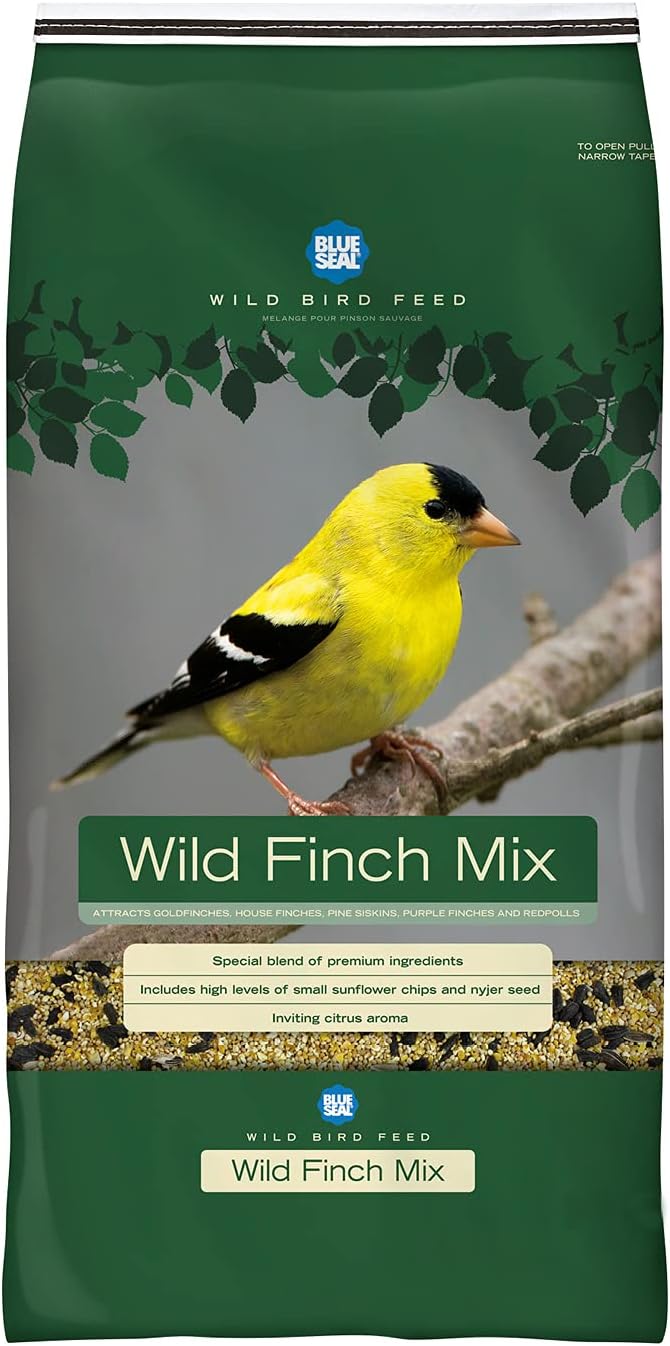
Feeding birds can have various positive outcomes, both for individual bird species and for broader ecological systems. Some of these benefits include:
- Supporting Energy Needs: Especially in winter, supplemental feeding can provide essential energy resources for birds struggling to find natural food sources.
- Encouraging Biodiversity: Bird feeders can attract a diverse range of species, promoting biodiversity in local ecosystems.
- Education and Engagement: Bird feeding creates opportunities for people to learn about avian species, fostering a greater appreciation for wildlife conservation.
- Research Opportunities: Citizen science initiatives often utilize backyard feeders as sites for data collection on bird populations and behaviors.
Potential Negative Impacts of Bird Feeding

While feeding wild birds has its advantages, it also poses several ecological concerns that warrant consideration. Some of these negative impacts include:
- Dependency on Human Food Sources: Regular feeding can lead birds to become reliant on feeders, disrupting their natural foraging behavior and diet.
- Spread of Disease: High concentrations of birds at feeders can facilitate the spread of diseases such as avian pox and salmonella.
- Predation Risks: Increased bird populations around feeders can attract predators, such as cats and hawks, which may disrupt the local ecosystem.
- Invasive Species: Bird feeders can inadvertently encourage the presence of invasive bird species, which can outcompete native populations.
The Ecological Balance: A 20-Pound Perspective
From an ecological standpoint, feeding wild birds necessitates a delicate balance. The “20-pound perspective” can be visualized as the weight of food provided to birds over time, which can impact their foraging behavior, health, and the environment. This perspective invites us to consider both the immediate effects of feeding and the long-term implications.
Dependency vs. Independence

One critical aspect of the 20-pound perspective is the potential for birds to become dependent on feeders. Studies have shown that birds, such as the American robin and various finch species, may become reliant on human-provided food sources, especially in urban areas where natural resources are scarce. This dependence can lead to:
- A reduced ability to forage for natural food, compromising their survival skills.
- An increase in the number of birds that remain in urban areas during winter months, which can lead to overpopulation and resource depletion.
Health Concerns: Disease and Nutrition
Feeding birds can also raise significant health concerns. When large numbers of birds congregate at feeders, it increases the risk of disease transmission. For example, in a study conducted by the Cornell Lab of Ornithology, it was found that feeders can be responsible for the spread of diseases, which can decimate local bird populations. Additionally, the type of food provided can significantly impact bird health:
- High-Fat Foods: While some birds may consume high-fat seeds during winter, an over-reliance on such foods can lead to obesity and related health issues.
- Inadequate Nutrition: Providing only one type of seed can result in nutritional deficiencies, as many bird species require a well-rounded diet to thrive.
Case Studies: Bird Feeding Practices Around the World

Examining bird feeding practices in different regions can provide valuable insights into the ecological impacts of this activity. Here are a couple of case studies that illustrate the varying effects of bird feeding:
Case Study 1: The United States

In the U.S., bird feeding is a multi-billion-dollar industry, with millions of households participating. While this has led to increased birdwatching and conservation efforts, it has also raised concerns about dependency and disease. The National Audubon Society has reported cases of salmonella outbreaks linked to backyard feeders, prompting recommendations for regular cleaning and proper feeding practices.
Case Study 2: Europe’s Urban Feeding Habits
In Europe, particularly in countries like the UK, bird feeding is a widespread practice. Studies have shown that during harsh winters, the provision of food can significantly boost bird survival rates. However, researchers have also noted that urban areas exhibit a higher prevalence of invasive species, such as the European starling, which can dominate feeder spaces and outcompete native birds.
Best Practices for Responsible Bird Feeding
To mitigate the negative impacts of feeding wild birds while still enjoying the benefits, it’s essential to adopt responsible bird feeding practices. Here are some guidelines to follow:
- Choose the Right Food: Offer a variety of seeds, nuts, and fruits to cater to different species while ensuring a balanced diet.
- Keep Feeders Clean: Regularly clean feeders to prevent the spread of diseases, using a solution of vinegar and water to sanitize.
- Avoid Overfeeding: Limit the amount of food provided to encourage birds to forage naturally and reduce dependency.
- Monitor Bird Health: Observe feeding habits and bird health; if you notice sick birds, consider removing the feeder temporarily.
Striking a Balance

Feeding wild birds is an enjoyable and often rewarding activity that connects people with nature. However, it is crucial to approach this practice with awareness of its environmental impact. By understanding the potential benefits and drawbacks—and adopting responsible feeding practices—we can strike a balance that supports avian populations while maintaining ecological integrity.
The 20-pound perspective serves as a reminder that every action has consequences, and our interactions with wildlife must be thoughtful and informed. By fostering healthy bird populations without compromising their natural behaviors, we can create a positive impact on our ecosystems and enjoy the beauty of our feathered friends for years to come.