In today’s digital landscape, cybersecurity has become a critical component for organizations of all sizes. With the increasing frequency of cyberattacks, businesses are compelled to adopt robust security measures. One effective way to enhance cybersecurity is through the Cyber Essentials Plus certification. This article delves into what Cyber Essentials Plus is, its significance, the certification process, and how organizations can implement it effectively.
What is Cyber Essentials Plus?
Cyber Essentials Plus is a UK government-backed cybersecurity certification that aims to help organizations protect themselves against common cyber threats. It builds upon the basic Cyber Essentials framework, which focuses on fundamental security controls. Cyber Essentials Plus takes it a step further by requiring organizations to undergo an external assessment to verify their compliance with the specified security measures.
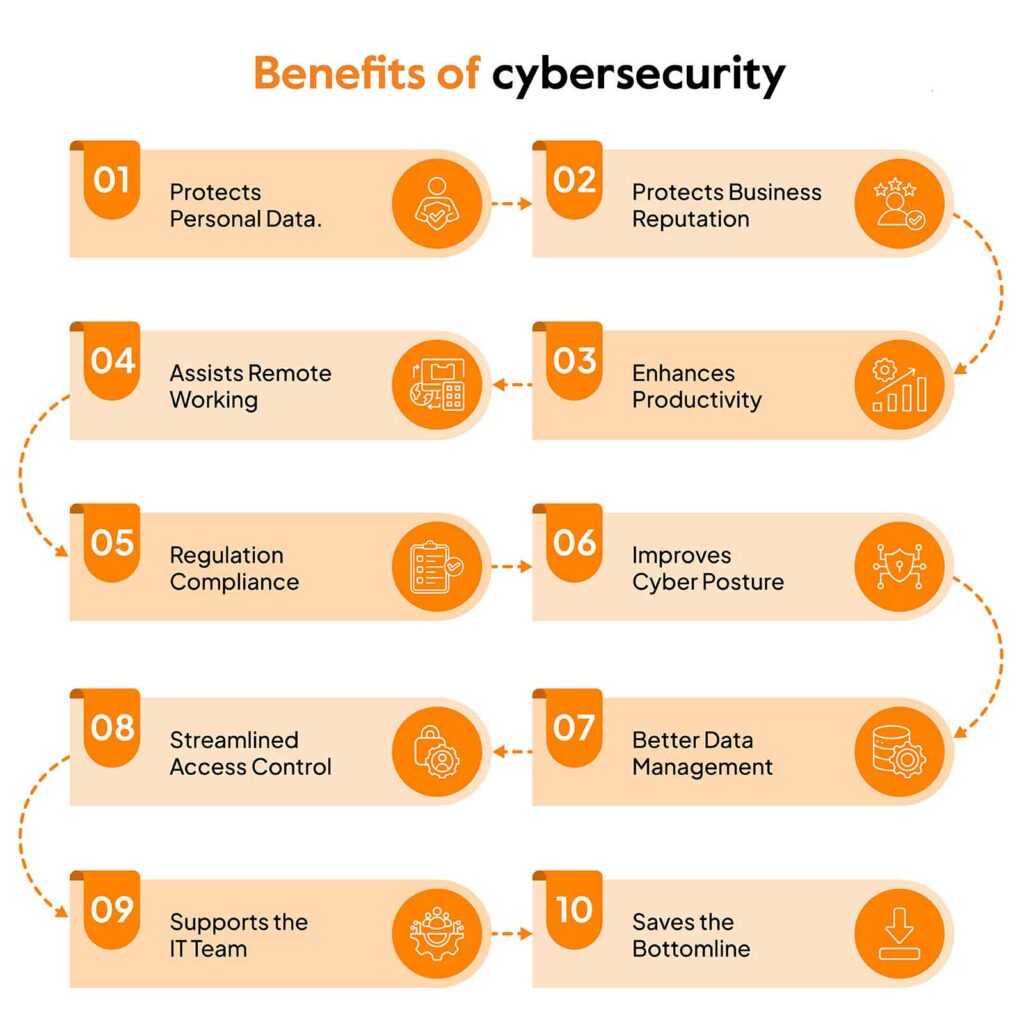
Importance of Cyber Essentials Plus

Understanding the importance of Cyber Essentials Plus is crucial for organizations looking to safeguard their data and systems. Here are some key reasons why this certification is vital:
- Enhanced Security: By adhering to the Cyber Essentials Plus framework, organizations can significantly reduce their vulnerability to cyberattacks.
- Reputation Management: Achieving this certification demonstrates to clients and stakeholders that an organization takes cybersecurity seriously, thus enhancing its reputation.
- Compliance and Contracts: Many government contracts and partnerships now require Cyber Essentials Plus certification, making it essential for entities wanting to work in certain sectors.
- Insurance Benefits: Some cybersecurity insurance providers offer lower premiums to organizations that hold this certification, which can lead to cost savings.
The Cyber Essentials Plus Framework
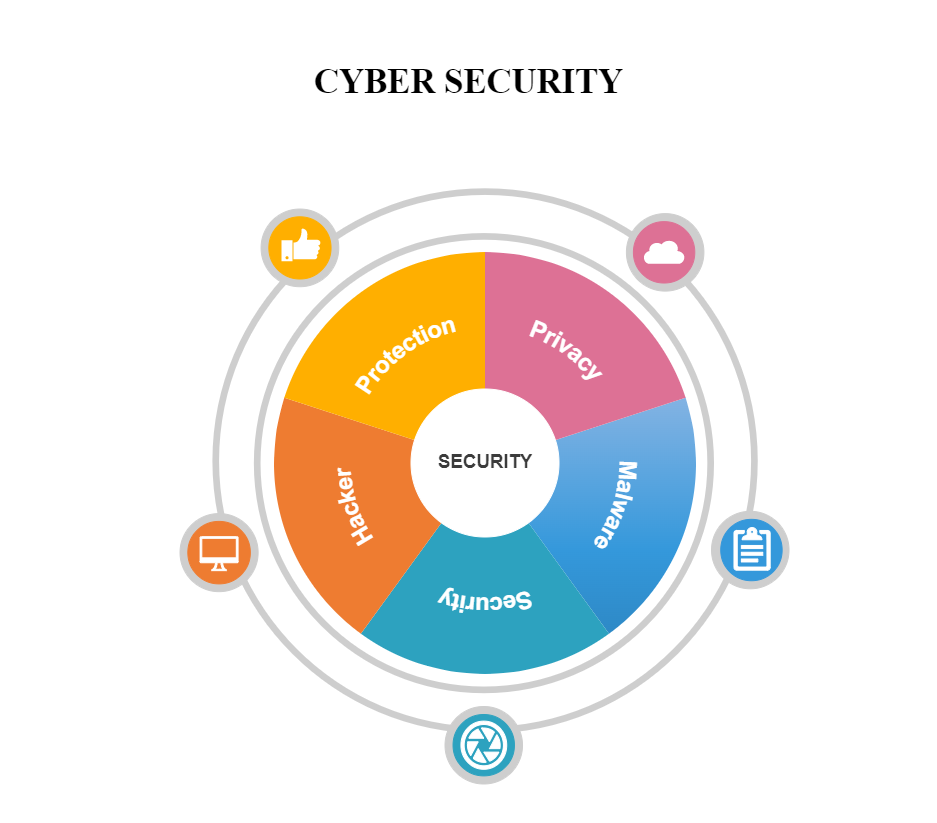
The Cyber Essentials Plus framework consists of five key areas that organizations must address to achieve certification:
- Boundary Firewalls and Internet Gateways: Protecting the network from unauthorized access and external threats.
- Secure Configuration: Ensuring that devices and software are configured securely to minimize vulnerabilities.
- User Access Control: Limiting user access to sensitive data and systems based on their roles and responsibilities.
- Malware Protection: Implementing measures to detect and prevent malware infections.
- Patch Management: Regularly updating and patching systems to address known vulnerabilities.
The Certification Process
Achieving Cyber Essentials Plus certification requires careful planning and execution. Here’s a step-by-step guide to the certification process:
1. Self-Assessment
Before pursuing Cyber Essentials Plus, organizations must complete a self-assessment questionnaire based on the Cyber Essentials requirements. This helps identify gaps in current security practices.
2. Remediation
After identifying vulnerabilities, organizations must implement necessary changes to align with the Cyber Essentials framework. This may involve enhancing firewall settings, updating software, or improving access controls.
3. External Assessment

Once the organization feels ready, it must engage an accredited certification body to conduct an external assessment. This involves verifying that the implemented security measures are effective and compliant with Cyber Essentials Plus standards.
4. Certification

If the assessment is successful, the organization will receive the Cyber Essentials Plus certification, which is valid for one year. Organizations must remain vigilant and continually improve their security practices to maintain certification.
Case Studies: Success Stories with Cyber Essentials Plus
To illustrate the benefits of Cyber Essentials Plus, let’s explore a few case studies of organizations that successfully implemented the framework:
Case Study 1: A Small Financial Firm
A small financial advisory firm faced challenges in protecting sensitive client information. After achieving Cyber Essentials Plus certification, the firm reported a 40% reduction in phishing attempts and improved client confidence in their data protection measures.
Case Study 2: A Mid-Sized Manufacturing Company
A mid-sized manufacturing company experienced a malware attack that disrupted operations. After implementing Cyber Essentials Plus, they established robust security protocols, leading to a 50% reduction in downtime due to cyber incidents over the following year.
Statistics on Cybersecurity Threats
The urgency for organizations to adopt cybersecurity measures is underscored by concerning statistics:
- According to the UK Cyber Security Breaches Survey 2022, 39% of businesses reported experiencing a cyberattack in the last year.
- The average cost of a data breach for organizations in the UK is estimated at £2.9 million, highlighting the financial risks associated with inadequate cybersecurity.
- In 2021, 73% of businesses reported that their cybersecurity measures were not sufficient to prevent attacks, underscoring the need for frameworks like Cyber Essentials Plus.
Challenges in Achieving Cyber Essentials Plus
While Cyber Essentials Plus provides a clear framework for enhancing cybersecurity, organizations may face challenges during the certification process:
- Resource Constraints: Smaller organizations may lack the necessary resources or expertise to implement required security measures effectively.
- Awareness and Training: Employees may require training and awareness programs to understand the importance of cybersecurity and their role in maintaining it.
- Continuous Improvement: Cyber threats are constantly evolving, necessitating ongoing evaluations and updates to security practices even after achieving certification.
Best Practices for Implementation
To successfully implement Cyber Essentials Plus, organizations should consider the following best practices:
- Conduct Regular Security Audits: Periodic assessments can help identify vulnerabilities and ensure compliance with Cyber Essentials Plus standards.
- Invest in Employee Training: Regular training sessions can equip employees with the knowledge needed to recognize and respond to cyber threats effectively.
- Stay Informed: Keep up with the latest cybersecurity trends and technologies, adapting security measures accordingly.
- Engage Experts: Consider hiring cybersecurity experts or consultants to assist with the implementation and assessment process.
In a world where cyber threats are increasingly sophisticated and prevalent, achieving Cyber Essentials Plus certification is a proactive step organizations can take to bolster their cybersecurity posture. By understanding the framework, following the certification process, and implementing best practices, organizations can not only protect their sensitive data but also enhance their reputation and operational resilience. As cyber threats continue to evolve, adopting such certifications will remain crucial for businesses aiming to navigate the complexities of the modern digital landscape safely.